Puppy Training Tips
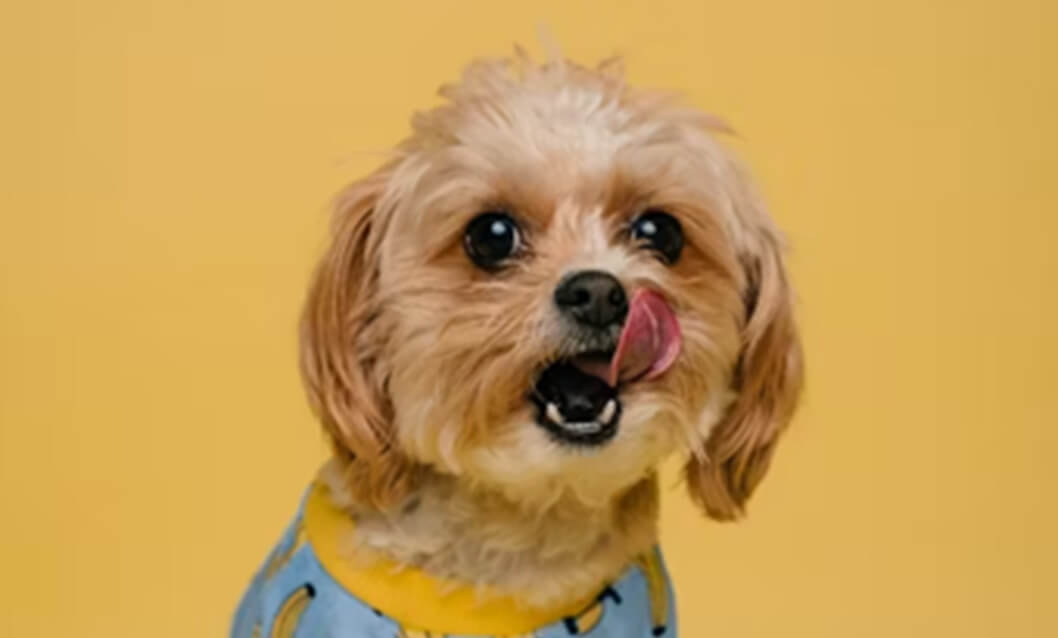
Bringing home a new puppy is an exciting experience, but it also comes with the responsibility of teaching them good behaviour. Early training helps your puppy grow into a confident, well-mannered companion and strengthens the bond between you and your pet.
Start Training Early
Puppies are eager to learn from a young age. Begin with simple commands and short training sessions as soon as your puppy settles into their new home. Keep sessions fun and positive to encourage learning.
Use Positive Reinforcement
Reward your puppy with praise, treats, or affection whenever they display the desired behaviour. Positive reinforcement helps your puppy understand what is expected and motivates them to repeat good actions.
Examples of rewards include:
- Small training treats
- Verbal praise such as “Good dog!”
- Gentle petting
- A favourite toy
- Extra playtime
Be Consistent
Consistency is key to successful training. Use the same commands, rules, and rewards every time. Make sure everyone in your household follows the same approach so your puppy doesn’t become confused.
Teach Basic Commands
Start with essential commands that improve safety and communication:
- Sit
- Stay
- Come
- Down
- Leave it
- Heel
Practice these commands daily in a quiet environment before introducing distractions.
House Training
Establish a regular toilet routine by taking your puppy outside:
- First thing in the morning
- After meals
- After naps
- After playtime
- Before bedtime
Reward your puppy immediately after they toilet in the correct place. Avoid punishment for accidents, as this can create fear and slow the learning process.
Socialise Your Puppy
Introduce your puppy to different people, environments, sounds, and other vaccinated dogs in a safe and controlled manner. Positive social experiences help reduce fear and build confidence later in life.
Prevent Boredom
A bored puppy may chew furniture, bark excessively, or dig. Keep them mentally stimulated with:
- Interactive toys
- Puzzle feeders
- Short walks
- Gentle games
- Training exercises
Mental stimulation is just as important as physical exercise.
Keep Training Sessions Short
Young puppies have limited attention spans. Aim for training sessions of 5–10 minutes, several times a day. End each session on a positive note so your puppy looks forward to learning again.
Be Patient
Every puppy learns at their own pace. Mistakes are a normal part of the process, so stay calm and patient. Celebrate small successes and continue practising regularly.
Support Training with Proper Nutrition
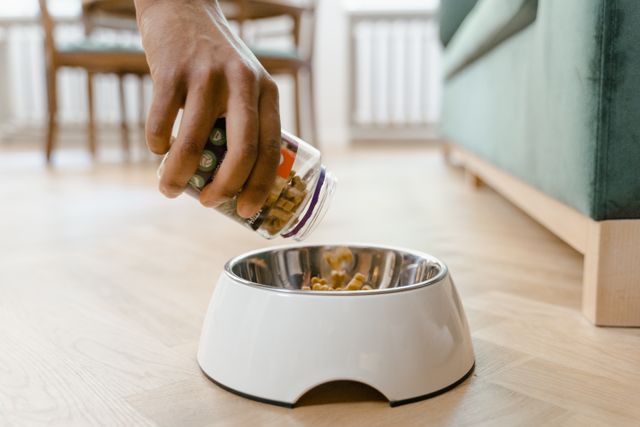
Good nutrition plays an important role in your puppy’s development. A balanced diet provides the energy needed for learning, growth, and daily activities. Fresh water should always be available, and healthy treats can be used in moderation during training.
Final Thoughts
Training your puppy is one of the best investments you can make in their future. By using positive reinforcement, staying consistent, and practising every day, you’ll help your puppy develop into a happy, confident, and well-behaved companion. With patience and encouragement, training becomes an enjoyable experience for both you and your furry friend.
About shahriar

Latest Posts
Puppy Training Tips
Guide to Cat Nutrition